Tech
Strobe Glasses
Wearable reactive shutter lenses that detect and block strobe flashes in real time, protecting the wearer's eyes while maintaining natural vision between pulses.
Strobe lights are everywhere — concerts, clubs, emergency vehicles, construction sites. For most people they're annoying. For people with photosensitive epilepsy, they're dangerous.
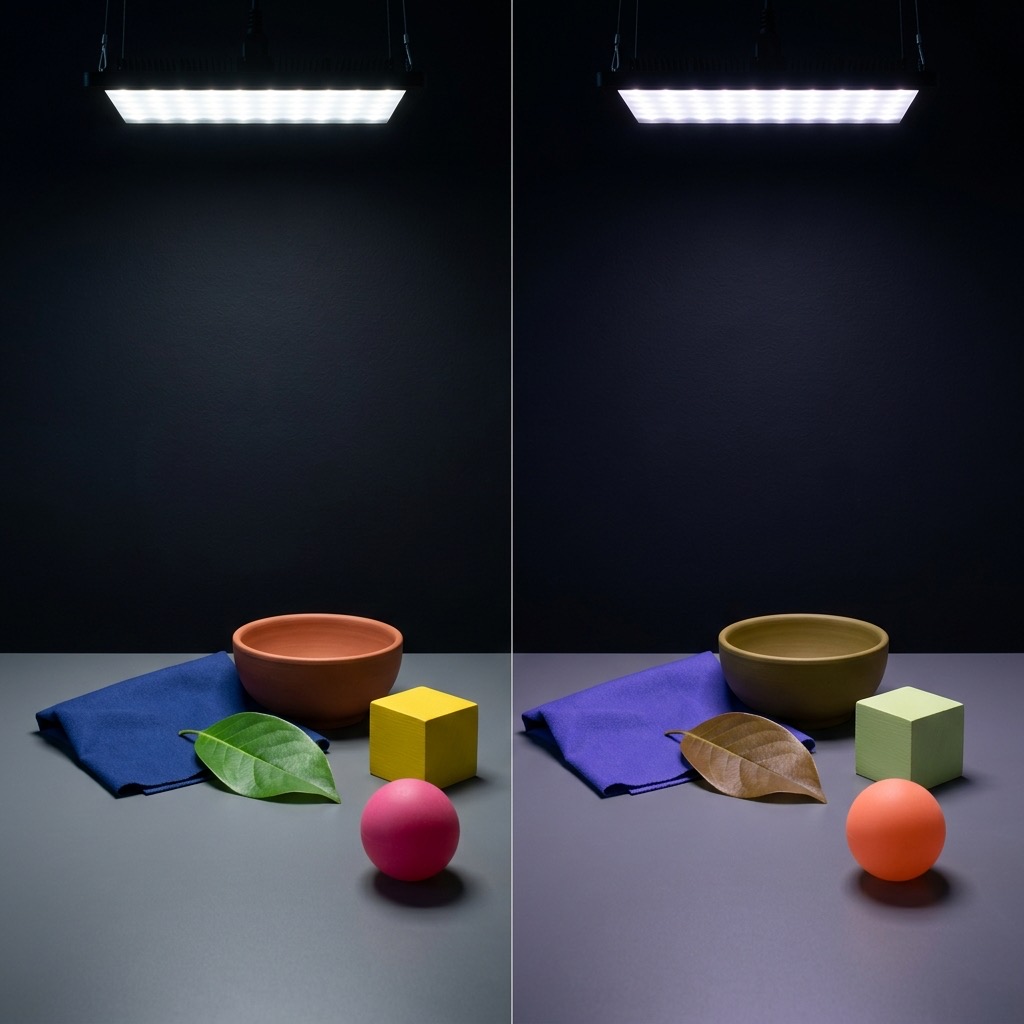
These glasses solve the problem by detecting sudden brightness spikes. A microcontroller evaluates the flash pattern — is it periodic? Chaotic? A one-off? Within 2 milliseconds, electronically controlled lenses darken, blocking the flash before the pupil can even begin to constrict.
The algorithm doesn't just react — it predicts. After detecting a strobe pattern, it anticipates the next flash and pre-closes the shutter, reopening between pulses to maintain vision. The result: protection from harmful flashes with minimal perceived interruption to normal sight.
Brendan holds several patents on this product and the underlying technology.
How the Reactive Shutter Works
Ambient Light
Normal vision — lenses are fully transparent.
Flash Anticipated
Sensor detects sudden brightness spike.
Shutter Closes
Lenses darken in <2 ms.
Hold & Predict
Algorithm predicts the next flash. Shutter stays closed.
Safe Reopen
Between predicted flashes, lenses clear. Vision returns.
Resources for Strobe-Sensitive Individuals
- Epilepsy Foundation — Photosensitivity & Seizures
- WCAG 2.1 — Three Flashes or Below Threshold
- Concert venues are increasingly adopting strobe-free zones and advance warnings.
This project explores wearable protection as a complementary approach.
The core challenge is the tradeoff between safety and transparency. Close the shutter too aggressively and you blind the wearer in darkness. Too conservatively and flashes get through. The algorithm navigates this by maintaining a rolling confidence model of the strobe pattern, adjusting its reactive/predictive balance in real time.
Current work focuses on multi-frequency environments (multiple strobe sources at different rates), chaotic/non-periodic flash patterns, and minimizing the perceptual impact of shutter transitions.
Interested in this work?
Inquire